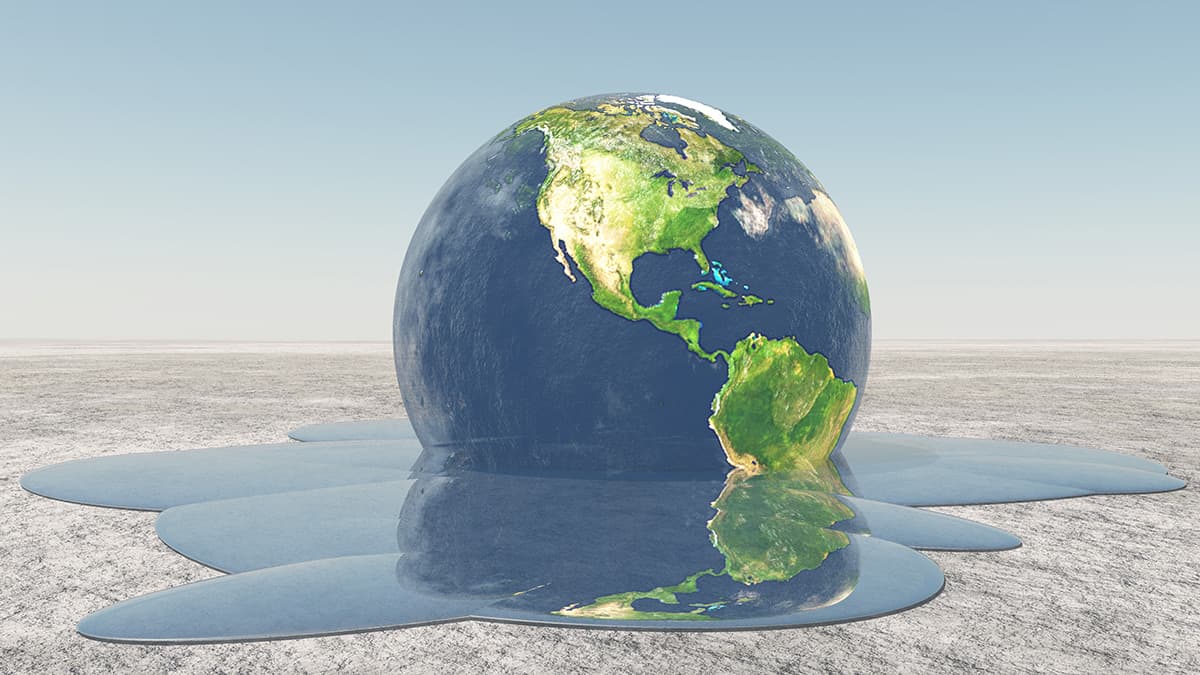
What is Climate Change?
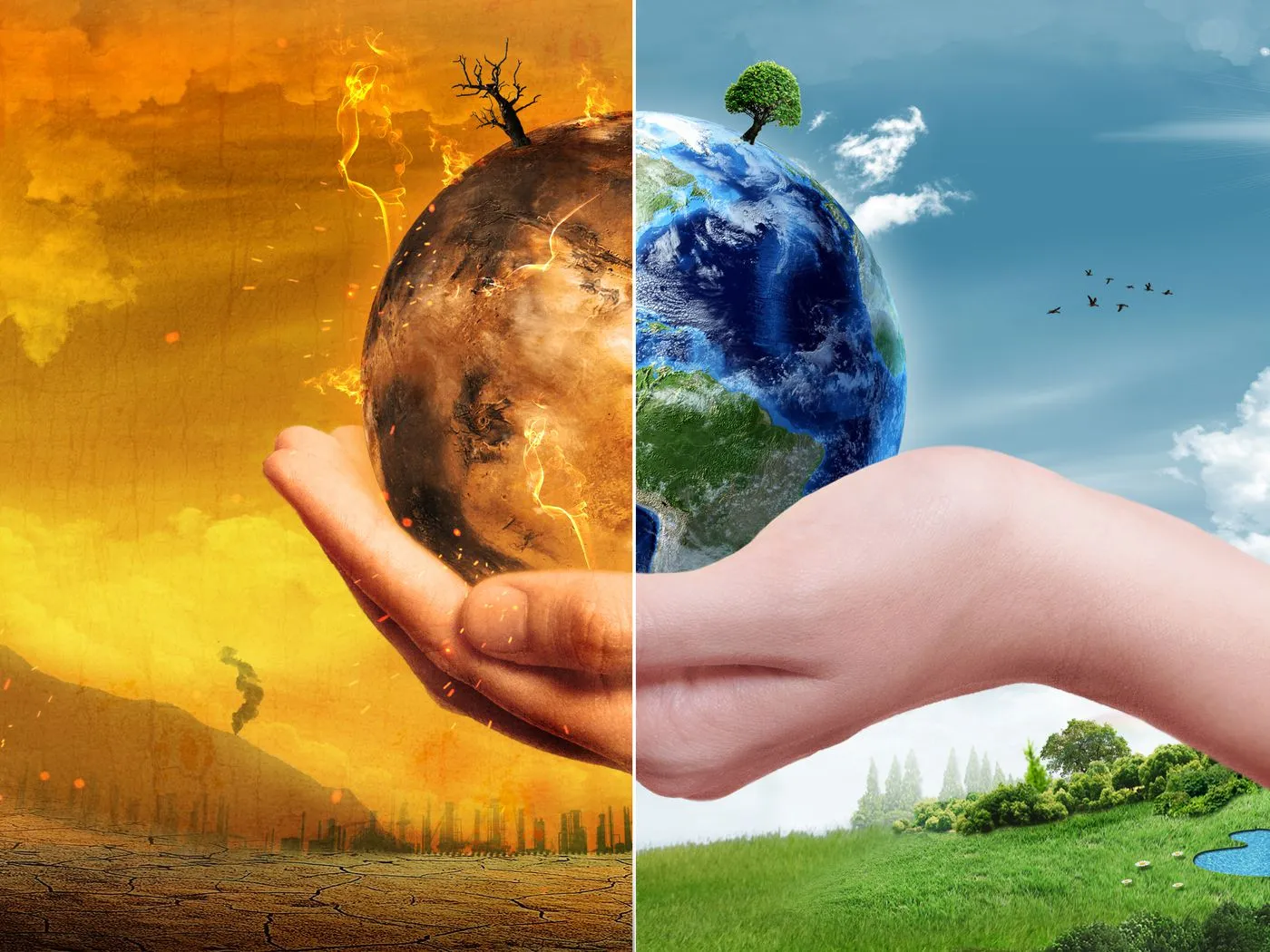
Climate change refers to changes in temperature and weather patterns. These changes may be natural, such as through the variations in the solar cycle. Ever since the 1800s, Human activities such as burning fossil fuels generate greenhouse emissions that trap the sun’s heat and raise temperatures.
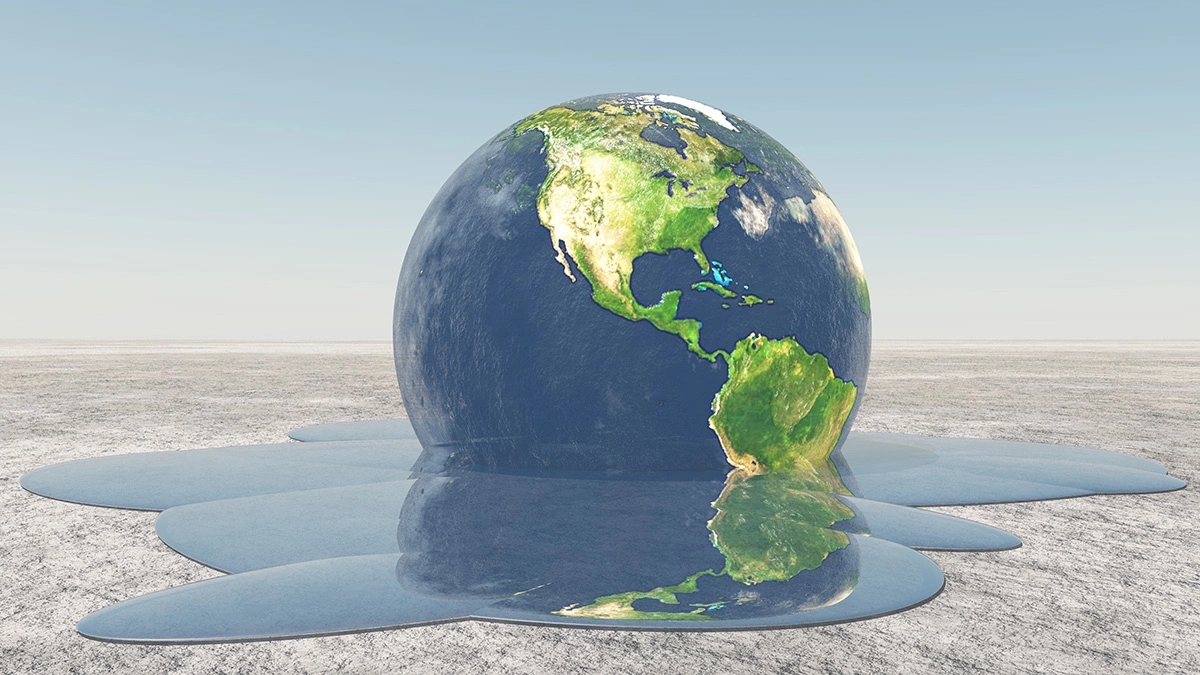
People are Experiencing Climate Change in Different Ways
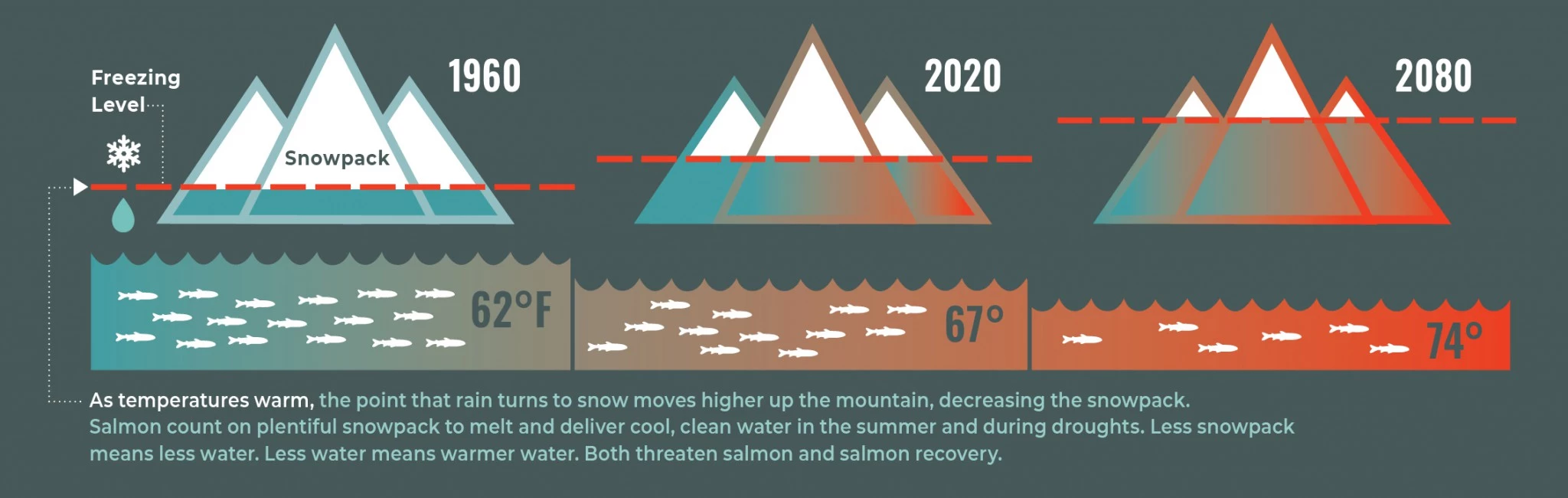
Temperatures are rising due to greenhouse gasses which trap more heat in the atmosphere. Droughts are becoming more extreme around the world.Tropical storms becoming more severe due to warmer ocean water temperatures. As the temperatures rise, there is less snowpack in mountain ranges and the snow melts faster which results in glaciers melting at a faster rate.This causes the sea levels to rise which threatens the marine ecosystems.

Effects of Climate Change
- The Earth's average temperature has increased about 2 degrees Fahrenheit .
- Summer temperatures are projected to continue rising, and a reduction of soil moisture, which exacerbates heat waves. The intensity, frequency and duration of hurricanes, as well as the frequency of the strongest (Category 4 and 5) hurricanes, have all increased.
- Global sea level has risen by about 8 inches. It is projected to rise another 1 to 8 feet by 2100. This is the result of added water from melting land ice and the expansion of seawater as it warms.
- The Arctic Ocean is expected to become essentially ice free in summer before the mid-century.
Climate Change and Human Exploitation to Blame For Historic Decline in Atlantic Salmon
Learn About Earth Week!
Click Here to Learn More!
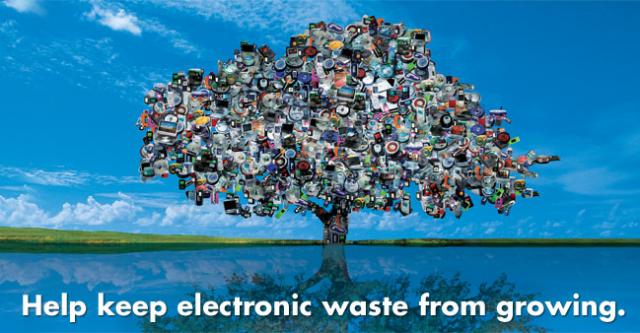
Electronic Revolution = E-Waste
E-Waste or Electronic waste means the discarded electronic devices which are meant for disposal.
E-waste facts:
- 40 million tons of electronic waste is generated every year, worldwide. That’s like throwing 800 laptops every second.
- An average cell phone user replaces their unit once every 18 months.
- E-waste comprises 70% of our overall toxic waste.
- Only 12.5% of E-Waste is recycled.
- 85% of our E-Waste is sent to landfills and incinerators are mostly burned, and release harmful toxins in the air.
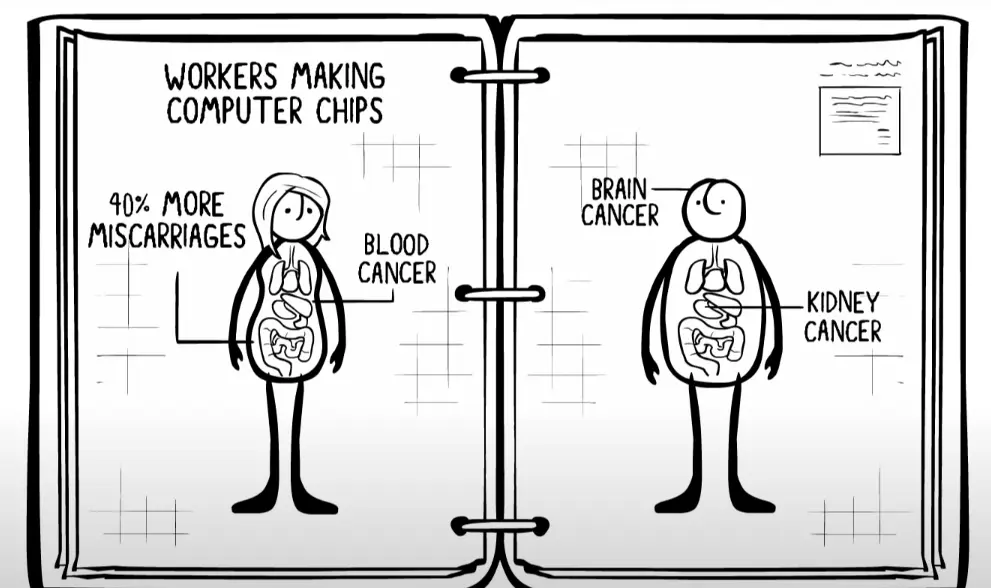
- Electronics contain lead which can damage our central nervous system and kidneys.
- A child’s mental development can be affected by low level exposure to lead.
- The most common hazardous electronic items include LCD desktop monitors, LCD televisions, Plasma Televisions, TVs and computers with Cathode Ray Tubes.
- E-waste contains hundreds of substances, of which many are toxic. This includes mercury, lead, arsenic, cadmium, selenium, chromium, and flame retardants.
- 80% of E-Waste in the US and most other countries are transported to Asia.
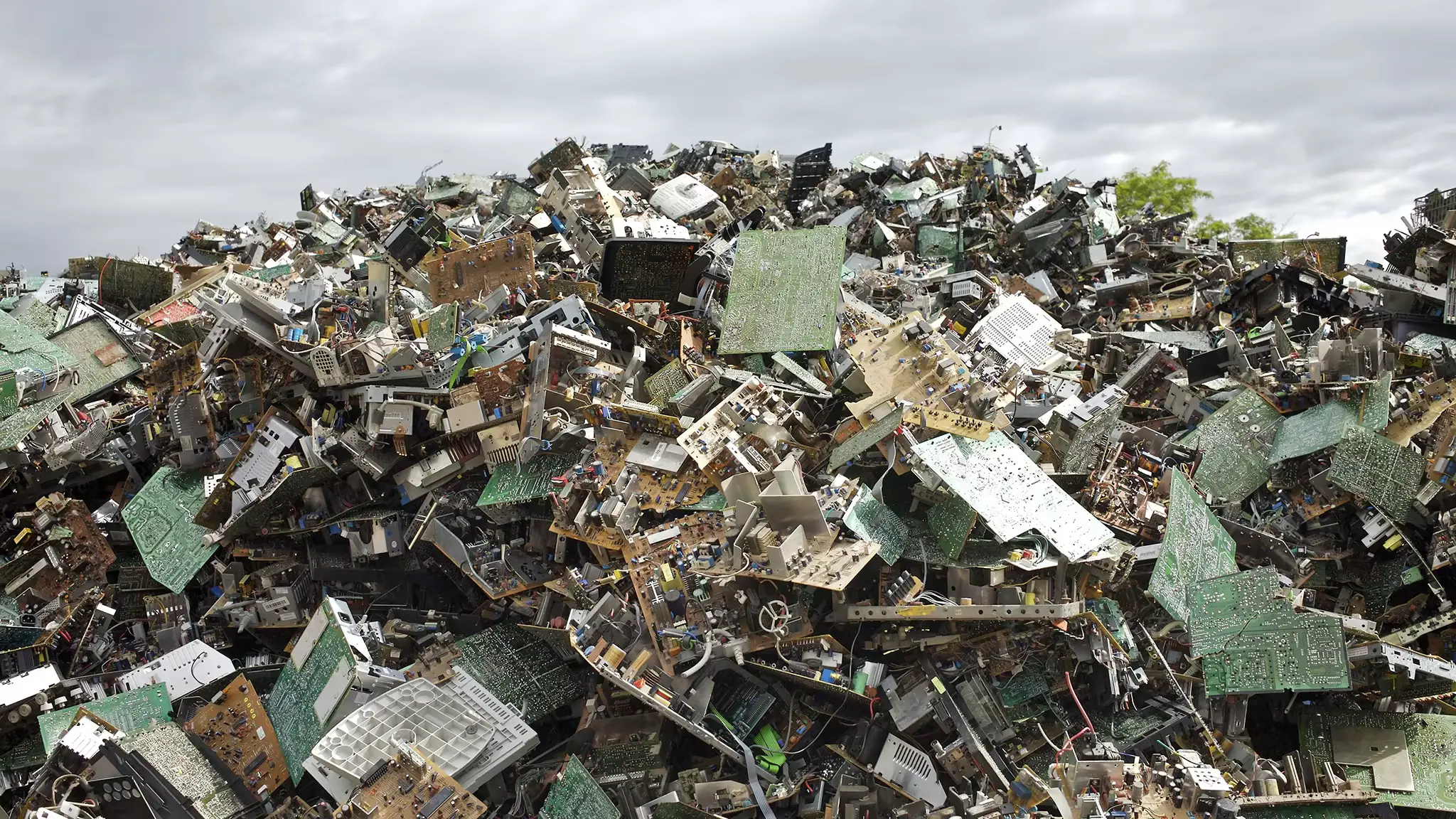
Attempts to Solve E-Waste
E-waste is a major problem, as only 12% of tech that is thrown
out is recycled. This is bad for the environment as tech has a
lot of heavy metals and it also has rare materials like silver,
gold, etc. Here are some attempts to solve this problem.
There can be a reward system for people that donate and/or
recycle tech, meaning that people get a small sum for
donating/recycling the e-waste. Apple is already doing this, as
seen here: Apple Trade-In, Canada. Doing this can be more
profitable for companies as they salvage the materials used on
the hardware and use it for newer technologies and people can
get some money to buy something new than throwing the technology
in the trash can.
A simple solution can be to put a fine if someone throws out
hardware instead of recycling it. Doing this can help prevent
people from throwing out valuable materials instead of wasting
them. But there can be cases where people don't get caught not
recycling and they wouldn't have to bother with the fine.
Another solution can be to repurpose the old tech if it can
still be used. If the hardware cannot be repurposed or it is
damaged, try to find working parts inside and if all the parts
do not work, then please try remembering to recycle rather than
throwing it out.
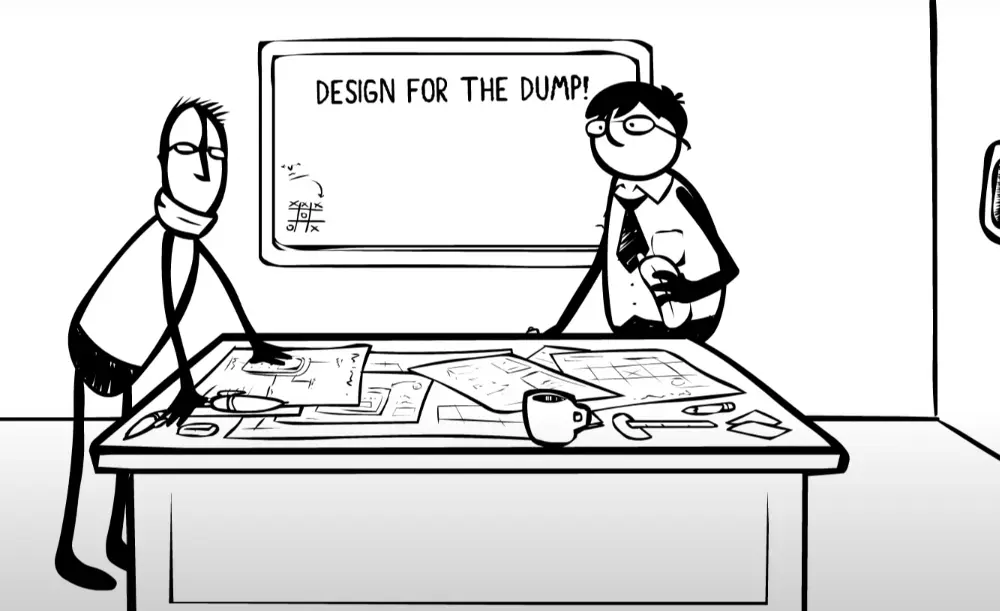
Issues faced due to E-waste
| Social Issues | Economic Issues | Environmental Issues |
|---|---|---|
|
|
|
Connection between Climate change and E-waste
It is also worth considering the effects electronic goods have
on climate change. Every device ever produced has a carbon
footprint and is contributing to global warming. Did you know
that the manufacture of a tonne of laptops results in
potentially 10 tonnes of CO2 being emitted. When the carbon
dioxide released over a device’s lifetime is predominantly
released during production, before consumers buy a product. This
is the key determinant of overall environmental impact.
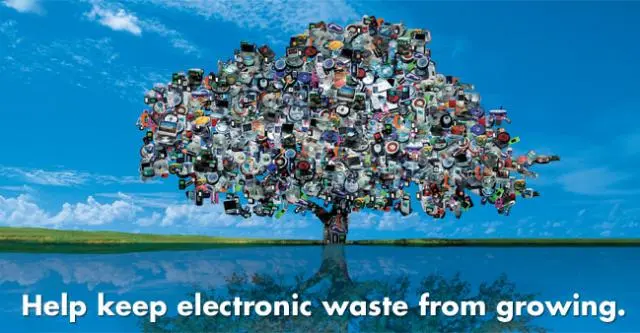
We have to recognise that we all can make a big difference in
both e-waste reduction and preventing climate change.
Save The Planet!
/cdn.vox-cdn.com/uploads/chorus_asset/file/13439425/shutterstock_285980522.jpg)